What to Do If You Experience Frequent Power Outages at Home
Published by Dingdoor
Introduction
Did you know that nearly 30% of households experience power outages at least once a year? These interruptions can be incredibly frustrating, disrupting daily routines and causing significant inconvenience. Whether it's losing access to essential appliances or interrupting your work-from-home setup, frequent power outages can have a profound impact on your life. In this blog post, we aim to provide effective solutions and practical advice on how to manage frequent power outages in your home.
1. Identifying the Causes of Frequent Power Outages
1.1. Problems in the Electrical Grid
Power outages can often be attributed to issues within the electrical grid. Overloads during peak demand times, such as during storms or extreme weather conditions, can lead to outages. For instance, heavy rain or high winds can damage power lines, resulting in service interruptions.
1.2. Faulty Electrical Installations
Older electrical systems may not meet current safety standards, leading to frequent outages. Worn-out components, such as frayed wires or loose connections, can cause disruptions. Regular inspections by professionals can help identify these issues before they escalate.
1.3. Overloaded Electrical Equipment
Using multiple high-consumption devices simultaneously can overload your home’s electrical system. Common culprits include air conditioners, heaters, and kitchen appliances. Being mindful of your energy consumption can help prevent outages.
2. Consequences of Power Outages
2.1. Impact on Daily Life
Frequent power outages can disrupt family routines and work-from-home arrangements. You may face food spoilage in your refrigerator, interruptions in online meetings, and loss of productivity, leading to frustration and stress.
2.2. Safety Risks
The absence of electricity can pose safety hazards, such as increased risk of accidents due to lack of lighting. Falls and injuries can occur more easily in dark environments, making it crucial to have a plan in place for such situations.
3. How an Electrician Can Help
3.1. Professional Diagnosis
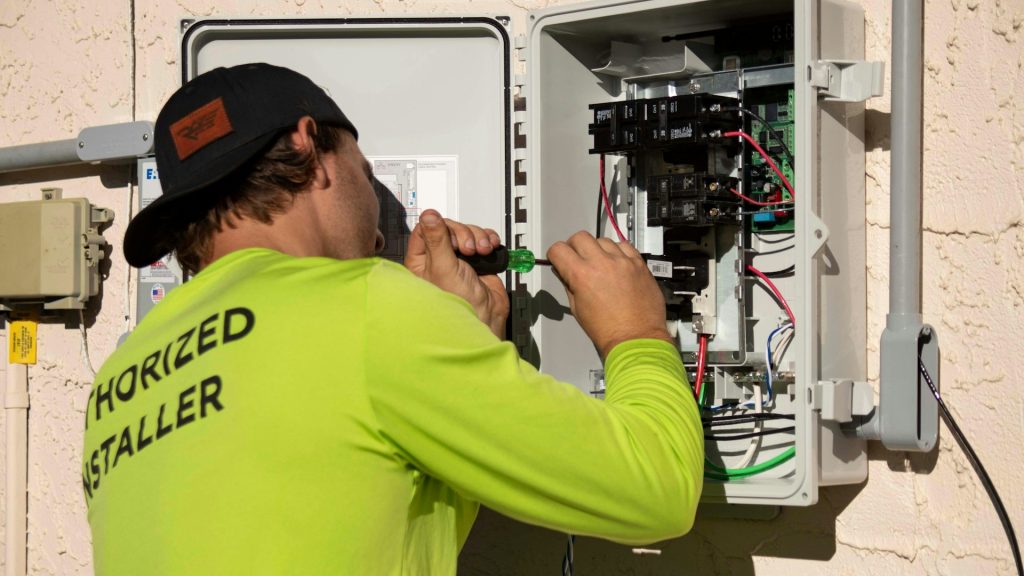
Hiring a qualified electrician is essential for identifying underlying issues that may be causing frequent outages. Their expertise can save you time and money by addressing problems effectively rather than relying on temporary fixes.
3.2. Repairs and Improvements
Electricians can provide a range of services to enhance your electrical system. This includes replacing outdated wiring, installing additional circuits, and ensuring that your home meets current safety standards.
3.3. Preventive Maintenance
Regular maintenance checks by a professional can help prevent future outages. This proactive approach not only extends the lifespan of your electrical system but also ensures that it operates safely and efficiently.
4. Practical Tips for Managing Power Outages
4.1. Preparation for Outages
Being prepared can make a significant difference during a power outage. Keep flashlights, batteries, and a first-aid kit readily available. Stock up on non-perishable food items and water to sustain your family during outages.
4.2. Use of Backup Devices
Consider investing in generators or uninterruptible power supplies (UPS) to maintain functionality for essential devices during outages. These systems can provide temporary power, ensuring that critical appliances remain operational.
5. Conclusion
Identifying the causes of frequent power outages is crucial for maintaining a stable home environment. Engaging a professional electrician can help address these issues effectively, ensuring your home remains powered and safe.


