Energy-Smart Pools: Pumps, Heaters & Covers that Cut Your Bills
Published by Dingdoor
Introduction
Did you know that maintaining a traditional swimming pool can cost homeowners an average of $500 to $800 annually just in energy bills? With rising energy costs, the need for energy-efficient solutions has never been more pressing. Enter the concept of energy-smart pools, which leverage variable-speed pumps, heat pumps, and solar covers to significantly reduce energy bills while enhancing the overall pool experience.
Section 1: Understanding Energy Costs in Pool Maintenance
1.1 The Hidden Costs of Traditional Pool Equipment
Traditional pool pumps typically consume between 1,500 to 2,500 watts per hour. Running for about 8 hours a day, these pumps can use approximately 12 to 20 kWh daily, leading to annual costs that can range from $500 to $800. Similarly, traditional gas heaters can consume between 75,000 to 200,000 BTUs per hour, resulting in heating costs that can exceed $1,500 annually. These hidden costs can significantly impact overall household energy bills, often accounting for 10% to 30% of total energy expenses.
1.2 The Importance of Energy Efficiency
Energy efficiency is crucial not only for reducing household expenses but also for minimizing environmental impact. As more homeowners embrace sustainable living, investing in energy-efficient pool equipment becomes a vital step toward energy conservation and a greener future.
Section 2: Variable-Speed Pumps: The Game Changer
2.1 What Are Variable-Speed Pumps?
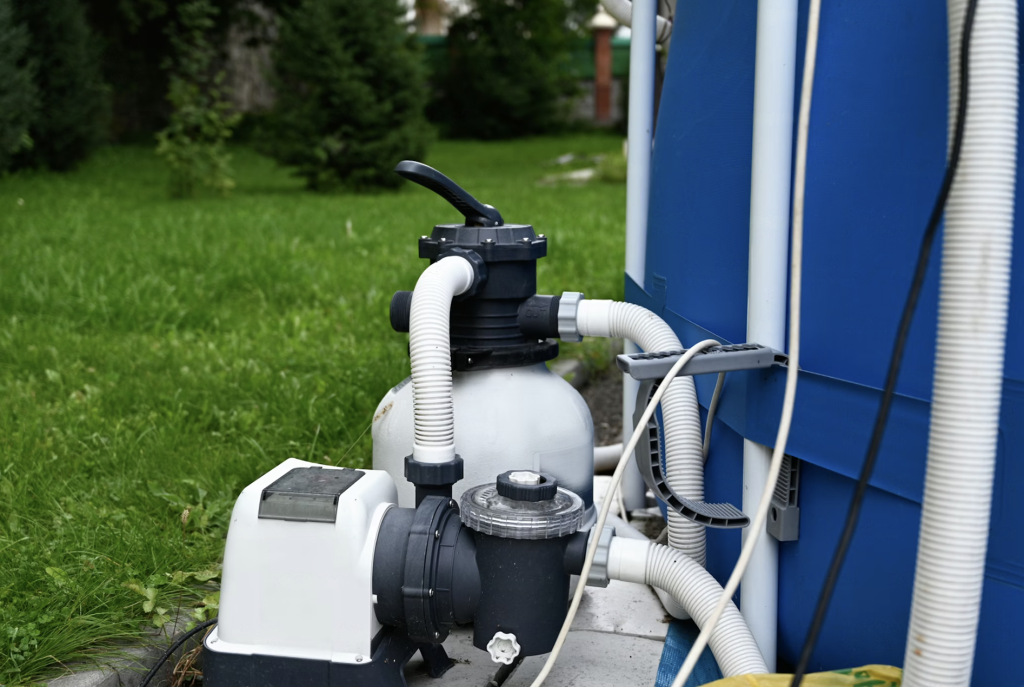
Variable-speed pumps are advanced pool pumps that allow users to adjust the flow rate according to specific needs, unlike traditional single-speed pumps that operate at a constant speed.
2.2 Benefits of Variable-Speed Pumps
-
Energy Savings: Variable-speed pumps can reduce energy consumption by up to 90%, translating into substantial savings on utility bills.
-
Longer Lifespan: These pumps experience less wear and tear due to their ability to operate at lower speeds, often lasting longer than traditional pumps.
2.3 ROI Math for Variable-Speed Pumps
Consider a scenario where a traditional pump costs $800 annually to operate. Switching to a variable-speed pump, which costs $200 annually, results in a savings of $600 per year. Over five years, that’s a total savings of $3,000, far exceeding the initial investment of approximately $1,500 for the variable-speed pump.
Section 3: Heat Pumps vs. Gas Heaters: Making the Right Choice
3.1 Overview of Heating Options
Heat pumps and gas heaters serve the same purpose but operate differently. Heat pumps transfer heat from the air to warm the pool, while gas heaters generate heat by burning fuel.
3.2 Advantages of Heat Pumps
-
Energy Efficiency: Heat pumps can achieve a coefficient of performance (COP) of 3 to 4, meaning they produce 3 to 4 units of heat for every unit of electricity consumed.
-
Cost-Effectiveness: Over time, heat pumps generally have lower operational costs compared to gas heaters, especially in moderate climates.
3.3 ROI Math for Heat Pumps
If a gas heater costs $1,200 annually to operate, while a heat pump costs only $600, the annual savings of $600 can lead to a total savings of $3,000 over five years, making the heat pump a more economical choice in the long run.
Section 4: Solar Covers: Harnessing the Power of the Sun
4.1 What Are Solar Covers?
Solar covers are specially designed blankets that float on the surface of the pool, capturing sunlight and retaining heat.
4.2 Benefits of Using Solar Covers
-
Heat Retention: Solar covers can prevent 50% to 70% of heat loss, significantly reducing heating costs.
-
Evaporation Reduction: They minimize water loss and chemical usage, leading to further savings.
4.3 ROI Math for Solar Covers
By using a solar cover, a homeowner can save approximately $300 annually on heating costs and reduce water usage by up to 30%. Over five years, this could result in total savings of $1,500, making the initial investment in a solar cover worthwhile.
Section 5: Combining Solutions for Maximum Savings
5.1 The Synergy of Pumps, Heaters, and Covers
Utilizing variable-speed pumps, heat pumps, and solar covers together can amplify energy savings. Each component works in harmony to reduce energy consumption, lower costs, and enhance pool comfort.
Conclusion
Investing in energy-smart pool solutions like variable-speed pumps, heat pumps, and solar covers can lead to significant financial savings and environmental benefits. Homeowners are encouraged to evaluate their current pool equipment and consider upgrades that enhance energy efficiency and reduce costs. Take the first step toward a more sustainable and cost-effective pool experience today!


