Cómo Elegir los Colores Perfectos para Cada Habitación de Tu Hogar
Published by Dingdoor
Introducción
¿Sabías que el color de una habitación puede influir en tu estado de ánimo y bienestar? Descubre cómo elegir los colores perfectos para transformar tu hogar. La importancia de la selección de colores en el diseño de interiores no puede subestimarse; juega un papel crucial en la creación de un ambiente acogedor y armonioso. Comprender la psicología del color y su impacto en la atmósfera puede ayudarte a tomar decisiones informadas que mejoren tus espacios de vida.
1. La Psicología del Color
1.1. ¿Qué es la Psicología del Color?
La psicología del color es el estudio de cómo los colores afectan las percepciones y comportamientos humanos. Se basa en la idea de que los colores pueden evocar sentimientos y asociaciones específicas, influyendo en nuestras emociones, decisiones y acciones.
1.2. Colores y Emociones
-
Azul: Calmante y sereno, a menudo asociado con la tranquilidad.
-
Rojo: Energizante y apasionado, puede evocar sentimientos de emoción.
-
Verde: Representa equilibrio y frescura, promoviendo una sensación de armonía.
-
Amarillo: Brillante y alegre, inspira alegría y optimismo.
2. Armonía en el Hogar
2.1. La Importancia de la Armonía del Color
La armonía del color crea una atmósfera cohesiva y agradable. Cuando los colores se complementan entre sí, pueden realzar la estética general de un espacio, haciéndolo sentir más acogedor.
2.2. Teoría del Color
-
Colores Complementarios: Colores opuestos entre sí en la rueda de colores, como el azul y el naranja, crean un alto contraste y pueden hacer que cada color resalte.
-
Colores Análogos: Colores adyacentes en la rueda, como el azul, azul-verde y verde, crean un aspecto sereno y armonioso.
3. Colores para Cada Habitación
3.1. Sala de Estar
-
Colores Sugeridos: Neutros suaves y azules claros.
-
Estos colores fomentan la conversación y la relajación, haciendo de la sala de estar un espacio acogedor.
3.2. Dormitorio
-
Colores Sugeridos: Lavandas suaves y grises suaves.
-
Crear un ambiente tranquilo es esencial para un sueño reparador, y estos colores ayudan a lograrlo.
3.3. Cocina
-
Colores Sugeridos: Amarillos brillantes y verdes frescos.
-
Estos colores pueden estimular el apetito y la creatividad, haciendo que cocinar sea una experiencia más placentera.
3.4. Baño
-
Colores Sugeridos: Blancos y azules claros.
-
Estos colores transmiten limpieza y frescura, ideales para un espacio dedicado al cuidado personal.
3.5. Oficina en Casa
-
Colores Sugeridos: Verdes y tonos tierra.
-
Estos colores pueden mejorar la productividad y la concentración, creando un espacio de trabajo efectivo.
4. Influencia de la Luz en la Elección de Colores
4.1. Luz Natural vs. Luz Artificial
La luz natural y la iluminación artificial pueden afectar significativamente la percepción del color. La luz natural cambia a lo largo del día, alterando cómo aparecen los colores, mientras que la luz artificial puede crear una atmósfera diferente.
4.2. Prueba de Colores
Probar colores en diferentes momentos del día es crucial para ver cómo cambian bajo diversas condiciones de iluminación. Esta práctica ayuda a asegurar que la elección final se alinee con tu visión para el espacio.
5. Consejos Prácticos para Elegir Colores
5.1. Considera el Tamaño de la Habitación
Los colores claros pueden hacer que un espacio pequeño se sienta más grande y abierto, mientras que los colores oscuros pueden hacerlo sentir más acogedor pero más pequeño.
5.2. Muestras de Color
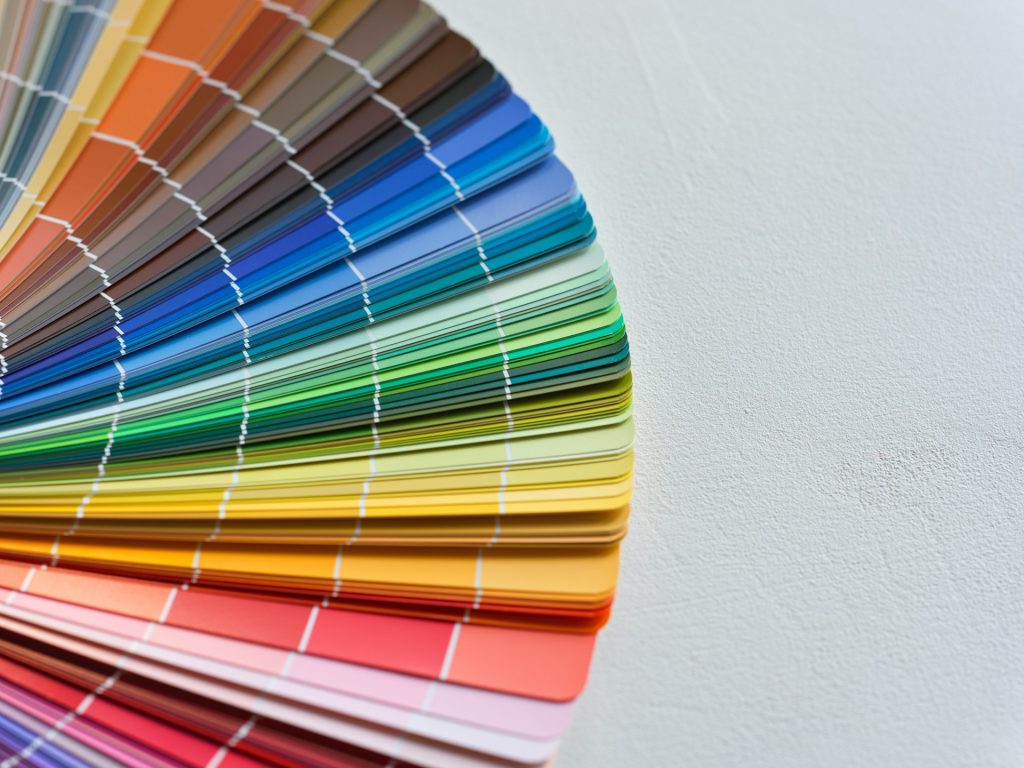
Usar muestras de pintura antes de tomar una decisión final es esencial. Esto te permite ver cómo lucen los colores en tu espacio y bajo diferentes iluminaciones.
5.3. Personalidad y Estilo
Refleja tu personalidad y estilo en tus elecciones de color. Elige colores que resuenen contigo y que creen un ambiente que se sienta auténtico.
Conclusión
En resumen, seleccionar los colores adecuados para tu hogar puede impactar significativamente tu estado de ánimo y la atmósfera general. Recuerda, no hay reglas estrictas; lo más importante es elegir colores que te hagan sentir bien en tu espacio. Abraza el proceso de selección de colores y disfruta de la transformación que trae a tu hogar.


