Stains, Oil Spots, and Rust: The Best Ways to Clean Every Type of Driveway
Published by Dingdoor
Introduction
Is your driveway looking more like a patchwork quilt of stains than a smooth, welcoming entrance? Fear not! We have the ultimate guide to restore its glory. Maintaining a clean driveway is essential not only for aesthetic appeal but also for safety and property value. Driveways come in various materials, including concrete, asphalt, and pavers, each requiring specific cleaning techniques. In this blog, we will focus on safe cleaners and methods to tackle stains, oil spots, and rust effectively.
Section 1: Understanding Driveway Materials
1.1 Concrete Driveways
Concrete driveways are known for their durability and longevity, often lasting over 20 years with proper care. However, they can develop issues such as stains and rust. It’s crucial to use safe cleaning methods to avoid damaging the surface. Harsh chemicals can lead to etching or discoloration, so always opt for gentle, eco-friendly cleaners.
1.2 Asphalt Driveways
Asphalt driveways are cost-effective and provide a smooth surface, but they are particularly susceptible to oil spots due to their composition. Gentle cleaning solutions are necessary to avoid damaging the asphalt. Regular maintenance, including sealcoating, can help extend the lifespan of your driveway.
1.3 Paver Driveways
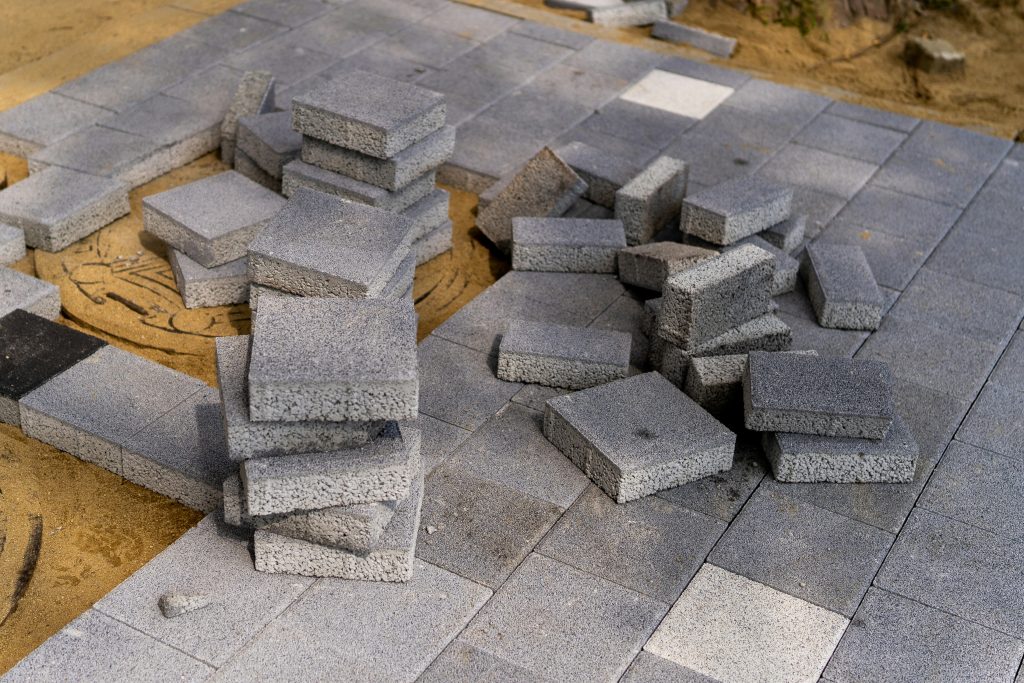
Paver driveways, made from materials like brick or stone, offer aesthetic appeal but can be prone to stains. Maintaining joint sand and sealing the pavers is essential to prevent weed growth and preserve their appearance. Regular cleaning helps keep the surface looking fresh and vibrant.
Section 2: Identifying Common Stains
2.1 Oil Spots
Oil stains are often caused by leaks from vehicles and can appear as dark, greasy patches on various driveway types. The visual impact can vary, with concrete showing deeper penetration and asphalt displaying a glossy finish.
2.2 Rust Stains
Rust stains form when metal objects corrode, leaving reddish-brown marks on surfaces. These stains can be particularly noticeable on concrete and pavers, where they contrast sharply with the surrounding material.
2.3 General Stains (e.g., dirt, food, and beverage spills)
Common stains can originate from dirt tracked in by vehicles, food spills from outdoor gatherings, or beverage accidents. These stains can vary in appearance and require different cleaning approaches.
Section 3: Safe Cleaning Techniques for Each Driveway Type
3.1 Cleaning Concrete Driveways
-
Recommended Safe Cleaners: Baking soda and vinegar are excellent choices for cleaning concrete.
-
Step-by-Step Cleaning Process:
-
Sweep the driveway to remove loose debris.
-
Mix a solution of baking soda and water or vinegar and water.
-
Apply the solution to stained areas and scrub with a stiff brush.
-
Rinse thoroughly with water to remove any residue.
-
3.2 Cleaning Asphalt Driveways
-
Safe Methods for Removing Oil Spots: Use cat litter to absorb excess oil or a commercial degreaser.
-
Step-by-Step Cleaning Process:
-
Sweep the driveway to clear debris.
-
Apply the degreaser to the oil spot and let it sit for 15-30 minutes.
-
Scrub gently with a soft-bristle brush.
-
Rinse with water to remove the cleaner.
-
3.3 Cleaning Paver Driveways
-
Recommended Safe Cleaners: Dish soap and oxygen bleach are effective for paver cleaning.
-
Step-by-Step Cleaning Process:
-
Sweep the surface to remove dirt and debris.
-
Mix dish soap with warm water and apply it to the pavers.
-
Scrub with a soft brush, focusing on stained areas.
-
Rinse thoroughly and allow to dry.
-
Reapply joint sand if necessary after cleaning.
-
Section 4: Preventative Measures to Keep Your Driveway Clean
4.1 Regular Maintenance Tips
Regular cleaning and sealing are crucial for maintaining your driveway. Clean concrete and paver driveways at least once a year, while asphalt should be cleaned more frequently. Seal asphalt every 2-3 years and concrete every 3-5 years to protect against stains and damage.
4.2 Protective Measures
-
Use Mats or Covers: Place mats in high-traffic areas to absorb spills and prevent direct contact with the driveway.
-
Sealant Recommendations: Choose sealants that are safe for your driveway type to enhance protection against stains and weather damage.
Conclusion
With the right knowledge and techniques, you can tackle any stain, oil spot, or rust on your driveway with confidence! Taking action to maintain a clean driveway not only improves curb appeal but also increases property value and enhances safety.


